


Opuntia fragilis

$10.00

In stock

Common Name: Little Prickly Pear Cactus

Plant Type: Shrub

Habitat: Outcrops of granite, limestone, or quartzite with thin soil

Light Requirements: Sun

Soil Moisture: Dry

Soil Type: Sandy or gravelly

Height: 2 to 8 in.

Bloom Time: May - July

Flower Colour: Greenish-yellow

Seed Ripens: Fruit- late summer, early fall

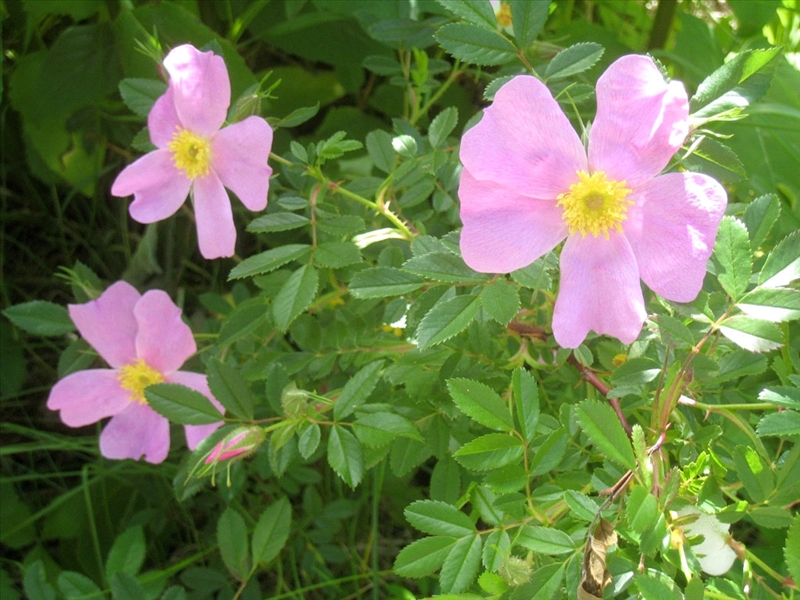
Details/Comments: The joints are tumid, fragile, easily detached with the pads rooting themselves where they drop. Same for the fruit, which does not often form so detaching like this is how it mostly spreads. Cuttings of leaf pads at any time in the growing season. Remove a pad from the plant and then leave it in a dry sunny place for a couple of days to ensure that the base is thoroughly dry and has begun to callous. Pot up into a sandy compost. Very easy, rooting quickly. Plant in thin soils that are typically 1 to 4 cm (0.4 to 1.6 in) deep, strongly acidic, and characterized by low moisture availability. It is extremely cold tolerant, growing in Canada almost to the arctic circle but it cannot grow in the shade. It prefers dry soil and can tolerate drought.Species is fire adapted sprouting from root crown and layering from pads bureied in substrate protected from fire and spreads easily creating forming low mats. Flowers are few; many plants have no flowers or do not flower every year. The fruit is ½ to ¾ inch long, spiny, oval to somewhat cone-shaped, initially green to reddish, turning brown. Inside are numerous seeds, are tan to gray, flattened, warped, oblong to subcircular, 5–6 mm diam. Seed - sow early spring in a very well-drained compost in a greenhouse. When they are large enough to handle, prick the seedlings out into individual pots and grow them on in the greenhouse for at least their first two winters. Plant them out into their permanent positions in late spring or early summer, after the last expected frosts. Give the plants some protection from winter wet. The species is hermaphrodite (has both male and female organs) and is pollinated by Insects. Associated Plants Red oak, white pine, bearberry, ground juniper, rusty woodsia, pale corydalis, wild rose, bastard toadflax, sand clubmoss, smooth sumac, pink corydalis, and maidenhair spleenwort. And remember the spines are sharp and can easily penetrate any normal garden glove and your dogs nose.

Botanical Name (Alt): Cactus fragilis, Tunus fragilis

Picture Copyright:


← Go Back